About

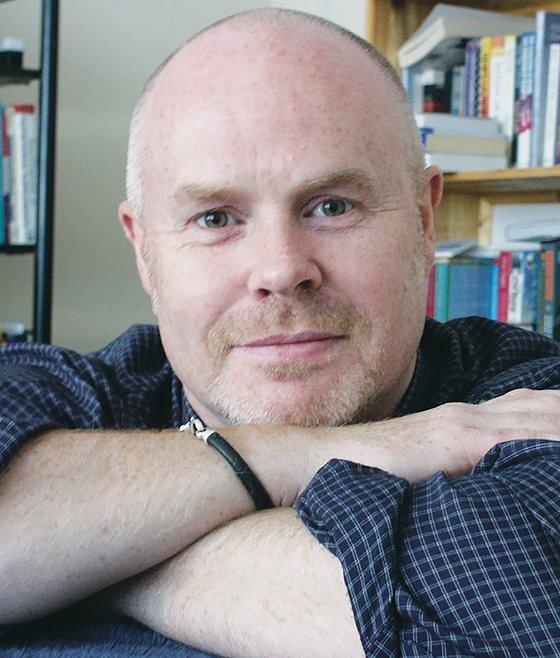
Alan Lee

Osteopath, and clinician, educator and researcher in functional medicine and functional neurology. In private practice since 1990.

Alan Lee

My story

I began my working life as a professional footballer, then graduated in Computer Studies and Systems Analysis. In my mid-twenties, my own chronic health problems changed my direction. Searching for answers led me first to osteopathic medicine, and later to functional medicine, functional neurology and lifestyle medicine.

That experience shaped how I work. I know what it is like to have symptoms that don't fit neatly into one box, and to be told your tests are normal when you don't feel it. I have been in private practice since 1990.

My approach

I see the body, the mind and the brain as one connected system. A symptom in one usually has causes in the others, so I look at all three: through detailed history, symptom profiles, lab testing and a functional neurology examination. I specialise in gut, hormonal and brain-based imbalances.

Body Mind Medical brings this together in two clinics, the Well Man Clinic and the Well Woman Clinic, and in Body Mind Energetics, our teaching arm, where I am Director of Training.

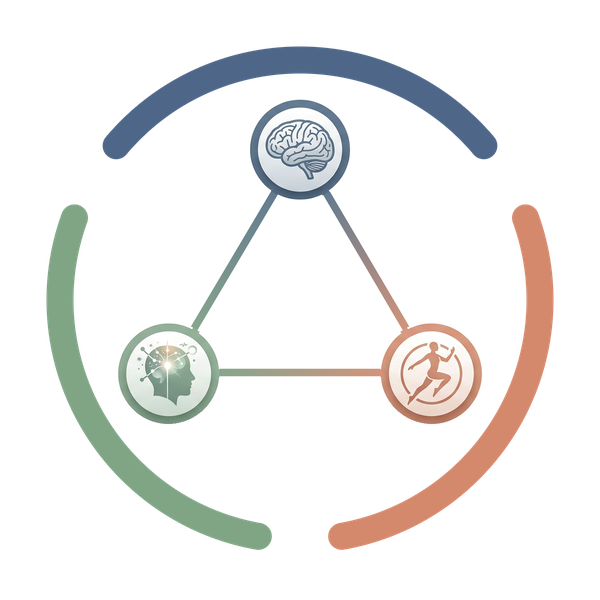
Three disciplines, one approach

My work brings together three complementary approaches, each looking at a different side of the body–mind–brain connection.

Functional Medicine

Functional medicine asks why a problem has developed, not just what to call it. It looks at how your genes, environment, diet and lifestyle interact across body systems such as the gut, hormones, immune system and metabolism.

  • A detailed health history and timeline
  • Targeted lab testing to find underlying drivers
  • A personalised plan that addresses root causes

Functional Neurology

Functional neurology applies neuroscience to how well your brain and nervous system are working, rather than only looking for damage on a scan. Small changes in brain function can affect focus, mood, balance, energy and pain.

  • Examination of eye movements, balance, coordination and the stress response
  • Identifying brain pathways that are under-performing
  • Targeted exercises that use neuroplasticity to strengthen them

Lifestyle Medicine

Lifestyle medicine uses evidence-based changes to daily habits to prevent, manage and improve long-term health conditions. Small, sustainable changes often make the biggest difference over time.

  • Nutrition and physical activity
  • Sleep and stress management
  • Healthy relationships and reducing harmful substances

All three work alongside, not instead of, care from your GP.

Training

  • Institute for Functional Medicine
  • The Kharrazian Institute
  • Carrick Institute of Neurological Sciences
  • International Association of Functional Neurology and Rehabilitation
  • Association of Functional Nutrition and Lifestyle Medicine
The Body Mind Medical triangle linking brain, mind and body

Work with me

Start with a symptom profile, or book an assessment at either clinic.

Take a symptom profile